
Commercial Fridge Counter Buying Guide
A commercial fridge counter is one of the hardest-working pieces of equipment in any restaurant, bar, or food service operation. It combines cold storage with a usable work surface, letting staff prep, plate, and serve without constantly walking to a reach-in or walk-in cooler. For busy kitchens in Phoenix, Tempe, Gilbert, Mesa, and Chandler, where heat puts extra strain on refrigeration, choosing the right counter unit and keeping it maintained matters for food safety, speed, and long-term costs.
This guide covers the main types of commercial fridge counters, how to size and specify one, what to look for in construction and controls, how to keep it running reliably in a hot climate, and how to know when commercial appliance repair for Phoenix kitchens makes more sense than replacement. It is written for owners and managers of restaurants, bars, and hospitality businesses who need practical, decision-ready information in 2026.
What a Commercial Fridge Counter Actually Is
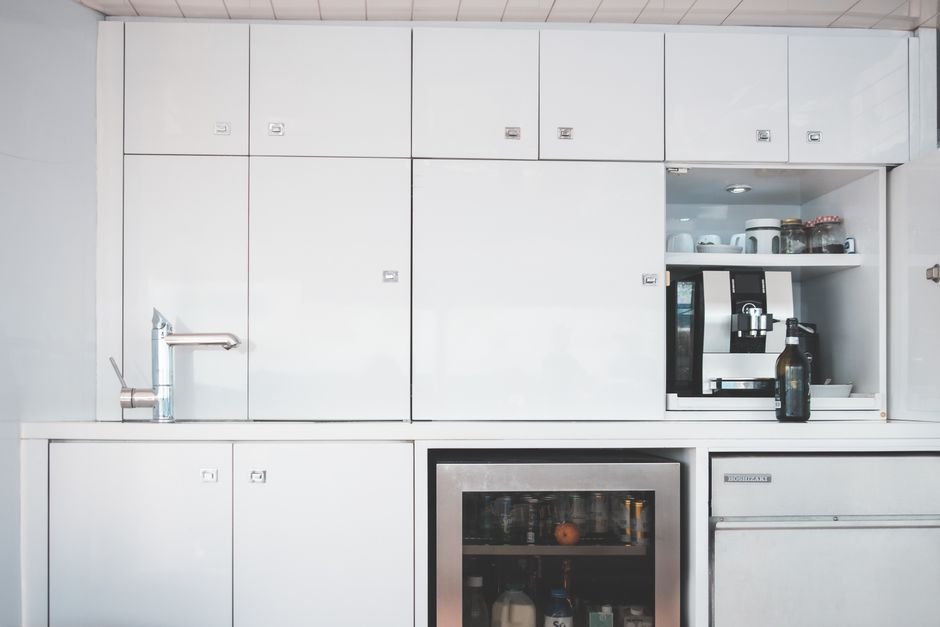
A commercial fridge counter — sometimes called an undercounter refrigerator, prep counter fridge, or refrigerated worktop — is a refrigerated cabinet built to support a stainless steel or similar work surface. Unlike a standard domestic fridge, these units are designed for continuous duty, frequent door openings, and the sanitation standards of professional food service.

Common configurations include:
- Undercounter refrigerators — a low cabinet with drawers or doors, usually placed beneath a separate prep table or counter line.
- Prep counter refrigerators — a refrigerated base topped with a work surface, often with a cutting board, for sandwich, salad, and pizza prep.
- Salad and sandwich prep stations — units with a refrigerated base plus a raised rail of pans for ingredients that must stay cold during service.
- Drawer units — popular in bars and line kitchens where staff need quick access to garnishes, proteins, or portioned ingredients.
- Chef bases and worktop freezers — refrigerated or frozen bases that add storage capacity without taking up extra floor space.
Most units run on standard commercial power and rely on forced-air cooling, with a condenser, evaporator, fan, thermostat or digital controller, and often an automatic defrost cycle. The best choice depends on where the unit will sit, what will be stored, and how often doors or drawers will open during a shift.
Choosing the Right Counter for Your Operation
Specifying a counter fridge is mostly about matching capacity and form factor to your workflow. A few practical questions will narrow the field quickly.

Match the unit to the station
A prep-heavy kitchen — sandwiches, salads, tacos, pizza — usually benefits from a prep counter with a raised ingredient rail and a cutting board surface. A bar or service line often works better with drawer units that keep garnishes and portioned items within arm’s reach. A small café or coffee shop may only need a compact undercounter unit for milk, dairy, and backup stock.
Check dimensions and clearance
Measure the available footprint, the height under any existing counter or shelf, and the door swing or drawer pull clearance. Remember that refrigeration needs airflow. Units that are boxed in with no room for the condenser to breathe will run hotter, work harder, and fail sooner — a particular concern in compact kitchens.
Plan for door traffic
Every door or drawer opening lets cold air out and warm, humid air in. In high-volume service, choose units with sturdy hinges, magnetic gaskets, and drawers that close firmly. If your team opens a unit dozens of times an hour, consider a model with a larger condenser and a robust forced-air system rather than the smallest unit that technically fits.
Think about temperature range
Confirm the unit’s designed operating range. Refrigerated counters typically hold around 34–40°F (1–4°C), while freezers run much colder. If you need both, buy separate units rather than expecting one cabinet to do both jobs well. Accurate, readable controls and an interior thermometer make it easier to verify temperatures during busy shifts.
Construction, Controls, and Efficiency
Commercial counters take a beating. Look for stainless steel exteriors and interiors — they resist corrosion, clean up easily, and stand up to daily sanitizing. Coved corners and removable shelves simplify cleaning. Self-closing doors and heavy-duty casters or legs make the unit easier to move and clean under.
Controls deserve attention. Digital thermostats with clear displays help staff spot a temperature drift before food is at risk. Automatic defrost reduces manual labor, though some operators prefer manual-defrost units in very hot or humid spaces because there is less to go wrong. Energy efficiency matters too: better insulation, electronically commutated (EC) fan motors, and well-matched condensers reduce run time and electricity use over the life of the unit.
Gaskets, hinges, and fan blades are the parts that wear first. Choose a model for which replacement parts are readily available, and keep a small spares kit — gaskets in particular — on hand. That simple habit prevents a small tear from turning into a temperature problem during a Friday dinner rush.
Keeping a Counter Fridge Reliable in the Phoenix Heat
Refrigeration works by moving heat out of the cabinet. In the Phoenix metro area, where summer temperatures routinely climb above 100°F and kitchens can run even hotter, that job is harder. A counter fridge that performs fine in a mild climate can struggle if its condenser is clogged, its location is poorly ventilated, or its gaskets are worn.
Practical habits that help:
- Keep the condenser clean. Dust, flour, and grease reduce heat transfer and force the compressor to run longer. Clean or have the coil cleaned on a schedule that matches your kitchen’s conditions.
- Protect airflow. Leave the recommended clearance around the unit and avoid stacking boxes against vents.
- Check gaskets monthly. A dollar-bill test — closing the door on a bill and feeling for resistance — is a quick way to spot a weak seal.
- Watch temperatures daily. Log readings at opening and mid-shift so trends are visible before a failure.
- Don’t overload. Blocked evaporator fans cause warm spots and uneven cooling.
- Schedule preventive maintenance. A qualified technician can check refrigerant charge, electrical connections, fan operation, and defrost performance before a breakdown interrupts service.
Because temperatures and dust loads vary across the region, a maintenance interval that suits a quiet café in Gilbert may be too long for a high-volume bar in Tempe. Build the schedule around your actual conditions rather than a generic calendar.
Repair or Replace? A Practical Decision Framework
When a counter fridge underperforms, the first step is diagnosis. Common issues include a dirty condenser, a failed fan motor, a worn gasket, a faulty thermostat, a defrost problem, or a refrigerant leak. Many of these are straightforward repairs; others signal that the unit is nearing the end of its service life.
Consider repair when:
- The unit is relatively young and the fault is isolated — a fan, gasket, thermostat, or door switch.
- Replacement parts are available and the cabinet, liner, and door frames are in good condition.
- The repair cost is modest compared with replacement, and the unit otherwise holds temperature well.
Consider replacement when:
- The compressor or sealed system has failed on an older unit and the repair cost approaches the price of new equipment.
- The cabinet is rusted, the liner is cracked, or the insulation has absorbed moisture.
- Parts are hard to source, or the unit’s efficiency is poor enough that energy costs outweigh the savings.
Whichever path you choose, use a technician who works with OEM parts and understands commercial equipment rather than domestic appliances. Correct refrigerant handling and proper diagnosis prevent repeat failures and keep food safety risk low. If you are also planning dessert service, this commercial hard ice cream maker guide covers the cooling equipment that pairs well with your counter setup.
Food Safety and Everyday Best Practices
A counter fridge is only as good as the habits around it. Keep raw and ready-to-eat foods separated, store items in covered containers, and avoid packing the cabinet so tightly that air cannot circulate. Label and date products, and rotate stock so older items are used first.
Temperature control is the foundation of food safety. Cold holding should keep perishables at or below 40°F (4°C) and frozen items solidly frozen. Staff should know what to do if a unit drifts out of range: move product to a working cooler, document the event, and arrange service promptly. Guidance on safe food handling and storage is available from reputable public health sources such as the NHS Eat Well pages, and nutrition and food-group guidance from USDA MyPlate can help with menu planning and storage decisions.
Pair temperature discipline with a cleaning routine: wipe door gaskets, clean shelves and drawers, and remove spills before they harden. Clean equipment runs cooler and lasts longer, and it makes inspections far less stressful.
Conclusion
A commercial fridge counter is a workhorse that earns its place in busy restaurants and bars across Phoenix, Tempe, Gilbert, Mesa, and Chandler. Choose the configuration that matches your station, insist on solid stainless construction and readable controls, and plan for airflow and heat. Then protect the investment with clean condensers, healthy gaskets, daily temperature checks, and scheduled maintenance using OEM parts. Whether you are specifying a new prep station or deciding whether to repair an aging unit, those habits keep cold storage dependable and service running smoothly — and if something does go wrong, knowing how to find reliable commercial equipment repair near me keeps downtime short.