Commercial Hard Ice Cream Maker Guide
Hard ice cream is one of the most demanding products a commercial kitchen can make. It requires precise freezing, consistent churning, and reliable cold storage from the moment the mix is prepared until the last scoop is served. For restaurants, bars, and food service operators in the Phoenix metro area, a commercial hard ice cream maker is both a menu differentiator and a piece of equipment that must perform in extreme desert heat. This guide covers how these machines work, what to look for, how to maintain them, and how refrigeration repair expertise fits into keeping production running smoothly.
What a Commercial Hard Ice Cream Maker Actually Does
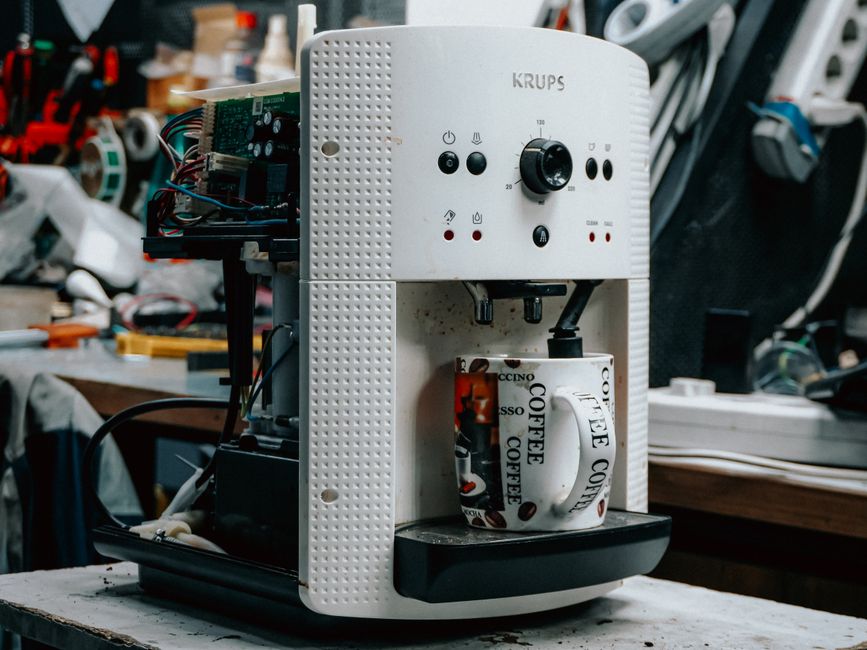
Unlike soft-serve machines that dispense product at a warmer, softer consistency, a hard ice cream maker freezes the mix to a lower temperature and incorporates less air, producing a dense, scoopable finished product. The machine typically combines several systems:
- Batch freezing barrel or cylinder: The chamber where the mix is churned and frozen against a refrigerated surface.
- Dasher or auger: The rotating component that scrapes frozen mix from the barrel walls and blends it evenly.
- Refrigeration system: A compressor, condenser, and refrigerant circuit that pulls heat out of the mix rapidly.
- Control panel: Manages consistency, draw temperature, and cycle timing.
- Drive motor and gearbox: Powers the dasher against the resistance of thickening ice cream.
The result is a product with a smooth texture, low overrun, and the firmness customers expect from premium ice cream. That density is also why the equipment must be built for continuous commercial duty rather than occasional home use.
Key Features to Evaluate Before You Buy
Not every hard ice cream maker suits every operation. The right choice depends on volume, menu style, and available space. Here are the factors that matter most.
Batch Capacity and Output
Machines are rated by the volume of mix they hold per batch and the number of batches they can produce per hour. A small bar with a rotating dessert special may need only a few quarts per batch, while a high-volume restaurant or dessert-focused concept may need a unit that can run continuously through service. Match capacity to your busiest expected day, not your average one.
Freezing Performance and Consistency
Look for machines with strong, stable freezing systems and precise consistency controls. Inconsistent draw temperatures produce icy or soupy batches, and both hurt repeat business. Digital controls that monitor mix temperature and motor load are worth prioritizing.
Construction and Cleanability
Food safety depends on hygiene. Removable dashers, smooth stainless surfaces, and easy access to the freezing barrel make routine cleaning realistic during a busy week. Equipment that is difficult to disassemble tends to be cleaned less thoroughly.
Footprint and Power Requirements
Commercial units are heavy and draw significant amperage. Confirm floor loading, electrical circuit capacity, and ventilation clearance before delivery. In older buildings around central Phoenix or Tempe, retrofit electrical work is sometimes necessary.
Refrigeration Robustness
The compressor and condenser are the heart of the machine. Air-cooled condensers need clean airflow; in a hot kitchen or a back-of-house area with limited ventilation, that becomes a maintenance priority. According to USDA MyPlate, dairy-based desserts can fit into a balanced menu, but from an operational standpoint, dairy mix is perishable and demands strict temperature control at every stage.
How Hard Ice Cream Fits Modern Menus
Dessert programs have become a meaningful revenue stream for restaurants and bars. A house-made hard ice cream allows operators to control flavor, cost, and presentation. Common applications include:
- Signature dessert scoops paired with baked goods or fruit.
- Ice cream flights as a shared bar offering.
- Affogato and dessert cocktails that use ice cream as an ingredient.
- Retail pints for takeaway, where local labeling and packaging laws apply.
For bars, the appeal is often speed and consistency: a scoop of house ice cream turns a simple dessert into a plated item without a dedicated pastry team. For restaurants in Gilbert, Mesa, and Chandler with seasonal patios, frozen desserts also perform well in warmer months when customers seek lighter, cold finishes. General guidance on balanced eating and dessert portions is available through NHS Eat Well, which is useful context for portion planning and menu description.
Maintenance and Common Failure Points
A hard ice cream maker is a refrigeration machine with moving parts, and both sides need attention. The most frequent issues operators report include:
- Reduced freezing speed: Often a symptom of a dirty condenser, low refrigerant charge, or failing compressor. Slow freezing changes texture and can indicate a bigger problem.
- Motor overload or stalling: Thick mix, worn drive components, or a failing gearbox can trip overload protection.
- Inconsistent texture: Worn dasher blades, incorrect mix temperature, or control calibration drift.
- Leaks and seal wear: Product seals degrade with use and should be replaced on schedule to protect the refrigeration circuit.
- Control faults: Sensors and boards can fail in hot, humid environments.
Preventive maintenance extends equipment life and protects product quality. A practical schedule includes daily cleaning, weekly condenser inspection, and periodic professional service of the refrigeration circuit and drive components. Because the machine shares its technology with walk-in coolers and ice machines, a technician experienced in commercial refrigeration can often diagnose related issues across the kitchen. When you need fast help, understanding how to find commercial equipment repair near me can shorten downtime during service.
Rapid freezing protects texture. Slow freezing is a warning sign, not a nuisance.
Why Local Refrigeration Support Matters in the Phoenix Metro
Summer temperatures in the Valley of the Sun place unusual stress on commercial refrigeration. Condensers work harder, kitchens run hotter, and equipment that performs well in milder climates can struggle here. For an ice cream maker, heat is especially unforgiving because the machine depends on rapid heat removal to achieve a hard, dense product.
Ice Age Refrigeration, based in the Phoenix metro area, provides commercial refrigeration, cooking appliance, and ice machine repair for restaurants, bars, and hospitality businesses. Their certified technicians service walk-in coolers, freezers, ice machines, ovens, fryers, and other commercial kitchen equipment using OEM parts, with same-day service based on availability. For operators in Phoenix, Tempe, Gilbert, Mesa, and Chandler, that local presence matters when a freezer or ice cream machine goes down during service. Reliable commercial appliance repair for Phoenix kitchens keeps both production equipment and the supporting cold chain in working order.
Repairing a hard ice cream maker is rarely just about the machine. If the walk-in freezer holding finished product is also struggling, the entire dessert program is at risk. A single service provider who understands both the production equipment and the cold storage chain can help operators avoid the domino effect of a refrigeration failure.
Buying, Installing, and Operating Checklist
Before committing to a commercial hard ice cream maker, work through a short checklist:
- Confirm volume needs against batch size and hourly output.
- Verify electrical and ventilation requirements with your contractor.
- Plan the cold chain: mix storage, machine location, and finished product holding.
- Train staff on cleaning and sanitizing the barrel, dasher, and seals.
- Schedule preventive maintenance before peak season, not during it.
- Keep service contacts on hand for refrigeration, electrical, and drive issues.
Operators should also review local health department requirements for dairy handling and equipment cleaning. Mix containing dairy is perishable, and holding it at improper temperatures undermines both quality and safety, a point echoed in general food safety guidance such as NHS Eat Well for dairy storage and handling.
Conclusion
A commercial hard ice cream maker can turn dessert into a signature part of a restaurant or bar menu, but only when the equipment is matched to volume, installed correctly, and maintained like the refrigeration machine it is. In the Phoenix metro area, where heat tests every cold system in the building, reliability depends on disciplined cleaning, preventive service, and quick access to experienced repair technicians. Choose the machine for your expected demand, protect it with a real maintenance schedule, and keep a local refrigeration partner ready. That combination keeps the freezer cold, the texture consistent, and the dessert menu dependable year-round.