
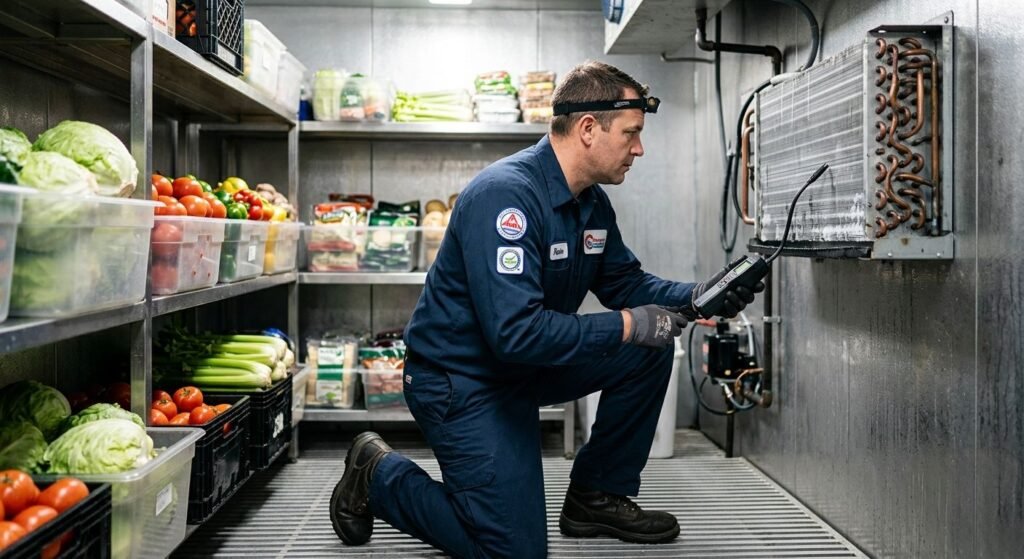
Commercial Refrigeration
Commercial refrigeration systems in Arizona now face a longer runway before hitting the EPA’s toughest GWP limits: a May 2026 EPA update pushed the toughest low-GWP deadlines for retail food and cold storage refrigeration from January 1, 2026 out to January 1, 2032. Here’s what actually changed, what’s still required right now, and how to stay ahead of both the GWP phasedown and the leak-repair rules that already apply.
Key Takeaways
- The AIM Act’s overall target (an 85% cut to HFC production and consumption by 2036) has not changed. What shifted is the compliance timeline for specific equipment categories.
- Retail food refrigeration and cold storage warehouse systems now have an interim GWP cap of 700 for new installations, with the tighter 150/300 GWP limit delayed to January 1, 2032.
- Remote condensing units and supermarket rack systems get an interim GWP threshold of 1,400 under the same extension, also until 2032.
- None of this changes the leak-repair and recordkeeping rules under Section 608, which already apply based on refrigerant charge size and annual leak rate.
- Existing R-404A and R-507A systems can keep running and being serviced; the new GWP limits apply to new equipment installed after the applicable deadline.
What Actually Changed in the May 2026 EPA Update
The American Innovation and Manufacturing (AIM) Act, passed in 2020, gives the EPA authority to phase down the production and consumption of high-GWP hydrofluorocarbons (HFCs) nationwide, with an overall target of an 85% reduction from a 2011-2013 baseline by 2036. Separate from that overall phasedown, the EPA’s Technology Transitions program sets subsector-specific GWP limits on refrigerants used in new equipment, refrigeration included.
On May 21, 2026, the EPA finalized changes that pushed several of those subsector deadlines back. For retail food refrigeration and cold storage warehouse systems, the original January 1, 2026 deadline for hitting a 150 or 300 GWP limit (depending on system type) moved to January 1, 2032, with an interim 700 GWP cap in place until then. Remote condensing units and supermarket systems received a similar extension, with an interim GWP threshold of 1,400 through the same 2032 date. Industrial process refrigeration systems with smaller charge sizes were separately given until 2030. The EPA has stated this adjustment is expected to save the industry more than $900 million compared to the original 2023 rule.
For a Phoenix-area restaurant, grocer, or convenience store, the practical read is straightforward: if you were bracing for a forced equipment replacement in 2026, that specific deadline no longer applies to most refrigeration equipment. The long-term direction toward lower-GWP refrigerants is still real, and still worth planning capital purchases around, but the timeline just got considerably longer.
Compliance Timeline at a Glance
| Equipment Category | Interim GWP Cap | Full Compliance Deadline |
|---|---|---|
| Retail food refrigeration / cold storage warehouse | 700 GWP | January 1, 2032 |
| Remote condensing units / supermarket systems | 1,400 GWP | January 1, 2032 |
| Industrial process refrigeration (small charge) | Varies by system | 2030 |
| Overall HFC production/consumption (AIM Act) | N/A, phased reduction | 85% cut by 2036 |
Which Refrigerants Are Affected
The refrigerants most commonly used in older commercial refrigeration equipment, R-404A and R-507A among them, carry high GWP ratings and are the primary target of this phasedown. That does not mean equipment using them becomes illegal to operate or service. It means new equipment installed after the applicable deadline needs to use a lower-GWP alternative, and refrigerant availability and pricing for the older high-GWP options will likely continue trending upward as production is phased down industry-wide.
Lower-GWP alternatives generally fall into two categories: blended HFO/HFC refrigerants designed as drop-in or near-drop-in replacements for equipment originally built around R-404A, and natural refrigerants like CO2 (R-744), which meet the tightest GWP limits outright but typically require equipment specifically designed around them rather than a simple retrofit. When it is time to replace a unit, your technician can walk you through which option fits your specific equipment, budget, and timeline.
The Leak Repair Rules That Already Apply, Regardless of the GWP Timeline
Separate from the GWP phasedown, EPA Section 608 refrigerant management requirements are already in effect and unaffected by the May 2026 extension. Two thresholds matter most:
- Charge size: Industry compliance guidance points to a lowered threshold, down to 15 pounds of refrigerant charge for triggering leak-rate tracking requirements, a meaningful drop from the historical 50-pound threshold. Confirm the exact figure that applies to your specific equipment with your service provider or the EPA’s own Section 608 guidance, since thresholds can vary by equipment type and have shifted more than once.
- Leak rate: Commercial refrigeration systems are generally held to an annualized leak rate threshold in the range of 15-20%, with different thresholds for other equipment categories (industrial process refrigeration and comfort cooling systems use different percentages). Once a covered system is confirmed to exceed its applicable threshold, federal rules require the leak to be repaired within 30 days of discovery.
Violations of these recordkeeping and repair-timeline requirements can carry substantial federal civil penalties, adjusted annually for inflation and assessed per violation per day. That’s a real financial exposure for the business owner, not just a compliance formality, and it applies regardless of where your equipment falls on the GWP phasedown timeline above.
A Quarterly Recordkeeping Checklist
Log each system’s refrigerant type, GWP rating, and full charge weight.
Record any refrigerant added during service, tied to the date and the technician who performed the work.
Calculate the annualized leak rate after each service visit that involves adding refrigerant.
Flag any system that crosses its applicable leak-rate threshold, and confirm the repair is completed within the required window.
These are exactly the records an EPA inspector or auditor will ask to see first. Keeping them current is one of the cheapest forms of compliance insurance available to a foodservice operator.
What This Means for Restaurants and Grocers in Tempe and the Phoenix Metro
Existing walk-in coolers, reach-ins, and rack systems running R-404A or similar refrigerants do not need to be replaced on any 2026 deadline. They can continue operating and being serviced as normal. The GWP limits apply at the point of new installation, so the practical planning question becomes: when your next major refrigeration investment comes up, whether that’s a full rack system replacement or a new walk-in build-out, budget with the 2032 interim caps (700 GWP for cold storage, 1,400 GWP for remote condensing and supermarket systems) in mind rather than the original 2026 date many operators had been tracking toward.
Not sure whether your walk-in or rack system falls under the lowered 15-pound reporting threshold, or what your current leak-rate history looks like? We can check during a routine maintenance visit.
When to Bring in a Professional
Refrigerant handling, recovery, and recharge work is regulated under EPA Section 608 and requires certified technicians, both for safety and for your own compliance exposure as the equipment owner. This isn’t a DIY category: mishandled refrigerant creates its own separate violation risk on top of whatever leak issue prompted the service call in the first place. A same-day inspection, based on technician availability, is usually enough to confirm whether a system is within its leak-rate threshold and whether any documentation gaps need to be closed before an audit finds them first.
Frequently Asked Questions
Do I need to replace my walk-in cooler’s refrigerant before 2026?
No. The May 2026 EPA update pushed the GWP deadline for retail food and cold storage refrigeration systems to January 1, 2032. Existing systems using R-404A or similar refrigerants can keep operating and being serviced; the new limits apply to equipment installed after the applicable deadline, with interim GWP caps in place until then.
What refrigerant charge size triggers EPA leak-rate reporting?
Recent compliance guidance points to a lowered threshold of 15 pounds of refrigerant charge, down from the historical 50-pound trigger. Because thresholds can vary by equipment type, confirm the exact figure for your system with your service provider or the EPA’s Section 608 resources.
What happens if my system’s leak rate is too high?
Once a covered system is confirmed to exceed its applicable annual leak-rate threshold, federal rules require the leak to be repaired within 30 days of discovery, along with recordkeeping that documents the refrigerant added, the date, and the technician who performed the work.
What refrigerant should I choose when replacing older equipment?
It depends on the equipment and your budget. Blended HFO/HFC refrigerants often work as near-drop-in replacements for systems built around R-404A, while natural refrigerants like CO2 meet stricter GWP limits but usually require equipment designed specifically for them. A technician can assess which fits your specific replacement project.
Does this affect my cooking equipment, or just refrigeration?
These EPA refrigerant rules apply specifically to systems that use regulated refrigerants, walk-in coolers and freezers, reach-ins, ice machines, and supermarket rack systems among them. Cooking equipment like ranges, ovens, and fryers falls under separate gas and fire-safety codes, not these refrigerant regulations.
Written and reviewed by Ice Age Commercial. We track EPA refrigerant rule changes as part of our own service process for the walk-in and rack systems we maintain across the Phoenix Metro Area.
Confirm Your System’s Compliance Status
Ice Age Commercial services commercial refrigeration equipment for restaurants, grocers, and convenience stores across Tempe and the Phoenix Metro Area, including leak-rate checks and recordkeeping support as part of routine maintenance visits.